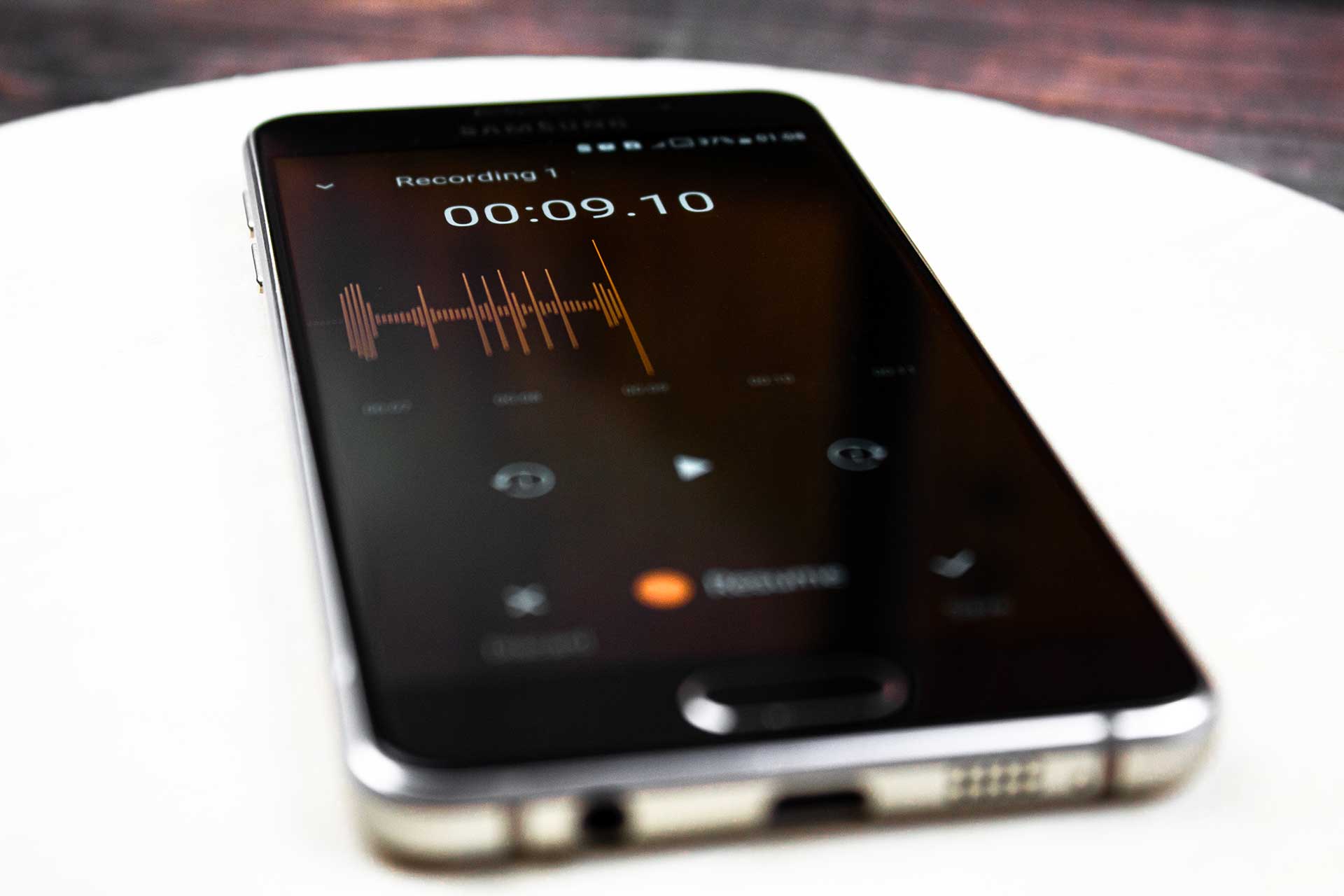
In the digital age, your mobile phone is indispensable — but also a potential gateway to leaks of personal and business information. Detective agency DIA explains common ways a phone can be used to eavesdrop and how you can protect yourself.
1. Ambient listening with external microphones
Sometimes the phone isn't involved at all. Directional or hidden microphones placed in an office, car or room can capture conversations. This is one of the hardest surveillance methods to detect.
DIA recommendation: schedule periodic technical sweeps (TSCM) to detect hidden devices.
2. Local GSM signal interception
2G networks are vulnerable and can be intercepted or decrypted with specialized equipment. Practical step: prefer 4G/5G and avoid insecure public networks.
DIA recommendation: request a technical audit if you suspect interception.
3. Network interception via the telecom operator
Interception from within the operator’s infrastructure can be performed legally (by court order) or pose technical risks. Protect calls with end‑to‑end encrypted apps (Signal, Silent Phone, Threema).
Learn more about Detective agency DIA.
4. Weakly secured VoIP calls
VoIP calls through popular apps may be secure but are not immune. Keep apps updated and avoid public Wi‑Fi for sensitive conversations.
5. Spyware installed on the phone
Spyware can be installed via a malicious link or compromised networks, providing access to calls, messages, camera and microphone.
DIA recommendation: install apps only from official stores and disable unused wireless interfaces.
6. Roving bug – microphone remotely activated
Certain devices can have their microphones activated remotely. This method is used in advanced operations and requires sophisticated access to networks.
DIA recommendation: avoid sensitive talks in unsecured locations and consider Faraday bags for critical meetings.
7. Acoustic/electromagnetic resonance eavesdropping
A rare but real technique: components vibrate under specific electromagnetic waves, reproducing ambient sound. Protection includes shielding and specialized monitoring.
What you can do to protect yourself
✅ Never leave your phone unattended.
✅ Turn off Bluetooth, Wi‑Fi and NFC when not in use.
✅ Avoid sensitive conversations near electronic devices.
✅ Use end‑to‑end encrypted apps for important communications.
✅ Request a digital security audit by a professional team.
Conclusion:
If you suspect you're being tapped or want a professional device check, contact Detective agency DIA.
📞 Contact.
🔒 Confidentiality and reliable results.
FAQ.

Why Infidelity Happens in Marriage — and When to Turn to a Private Detective
Infidelity is not just betrayal.It’s pain, confusion, and the collapse of trust.But before judging, it’s important to...
Read more

She Found Her Family: a true story from the practice of DETECT INVEST ACTIV (DIA) Detective Agency
Life writes the most touching stories, and sometimes the truth reveals itself after many years.This is the story of O...
Read more
Missing Person — What You Should Do Immediately
When a loved one disappears, every minute counts. Acting fast and correctly can make all the difference between findi...
Read moreEvery situation has a solution. Contact us confidentially and we will provide real support with discretion and professionalism.
We are ready to analyze your case and act quickly, legally and effectively.


