
From spy movies and detective novels, we know that espionage can be state (political), military, economic, etc. In essence, espionage is the collection of information using both legal and illegal means.
With the development of business, the need for information about competitors, clients, and partners becomes critical for company stability.
But how can this information be obtained?
What Is Industrial Espionage?
In business, industrial espionage is a subset of economic espionage but on a smaller scale. It focuses on gathering information about one or several companies. Unlike economic espionage—often state-backed and involving intelligence services—industrial espionage is usually carried out by private individuals or organizations, such as business owners, companies, or even employees.
Goals of Industrial Espionage
- Assessing the reliability of a potential business partner
- Weakening or eliminating a competitor
In the first case, the goal is to determine whether a partner will meet their commitments. In the second, it’s to obtain data such as:
- supplier information,
- negotiations and contracts,
- financial standing,
- internal processes,
- business connections.
Based on this data, companies decide whether to proceed with a deal or take action against a competitor—ranging from poaching key staff to filing complaints with regulators.
Methods of Industrial Espionage
Legal Methods
These include:
- monitoring media reports,
- analyzing advertisements and public announcements,
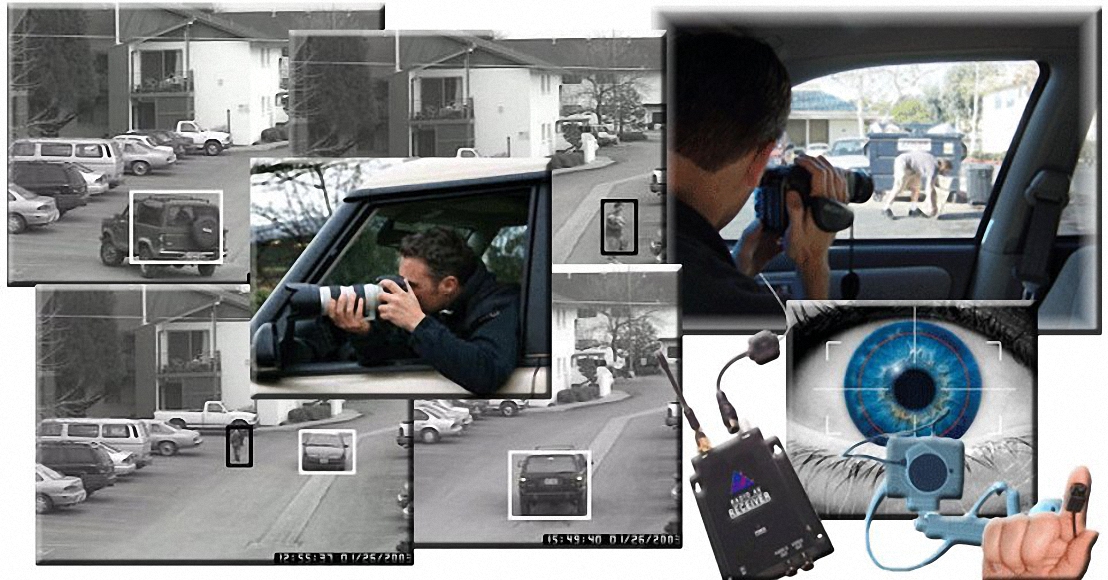
- observing the company premises (e.g., vehicle activity, employees, visitors).
Careful analysis of open-source information can reveal many valuable insights.
Illegal Methods
Human intelligence:
- bribing or recruiting a company insider,
- planting a mole inside the target company.
Goals: insider info, sabotaging contracts, or damaging relationships.
Technical surveillance:
- wiretapping phones,
- installing hidden microphones or cameras,
- sending spyware,
- hacking into IT systems.
Real-Life Infiltration Examples
- Employees might leak data through calls, text messages, or flash drives.
- A bug can be planted in under two minutes.
- Even telecom employees might sell access to phone lines.
- Surveillance equipment like mini-cameras, recorders, or infrared binoculars can be legally purchased, though their use may be illegal.
How Common Is This in Moldova and the CIS?
While there are no official statistics, international media estimate that I in IV entrepreneurs in transitional economies has faced an industrial espionage attempt. With the growth of SMEs, such risks are only increasing.
Corporate Information Security
If the purpose of espionage is to obtain information, then the purpose of security is to prevent information leaks. The methods are similar but used in reverse.
Common leak channels:
- Acoustic: through walls, doors, windows
- Electromagnetic: via cables, devices
- Optical: distant observation
Security measures:
- regular technical audits,
- controlled access to sensitive areas,
- data encryption,
- polygraph testing,
- training staff in confidentiality protocols.
In a highly competitive business environment, industrial espionage is a daily reality. It may be legal or illegal, but its purpose is always to gain a strategic advantage.
Protecting sensitive information costs less than the damage caused by a leak.
Confidentiality is not a luxury — it’s a necessity.
📞 Contact DETECT INVEST ACTIV Private Detective Agency
THE PRIVATE DETECTIVE COMES TO HELP
When the truth requires a professional approachWho is a private detective, and how do people perceive this profession...
Read more

Living Well at Someone Else’s Expense or Fraud
In recent times, more and more men have been contacting the DIA Detective Agency seeking help in clarifying complicat...
Read more
Why Infidelity Happens in Marriage — and When to Turn to a Private Detective
Infidelity is not just betrayal.It’s pain, confusion, and the collapse of trust.But before judging, it’s important to...
Read moreEvery situation has a solution. Contact us confidentially and we will provide real support with discretion and professionalism.
We are ready to analyze your case and act quickly, legally and effectively.


